What's all this then?


My name is Victoria Stiles and I'm an Early Career Historian currently doing whatever odd research / consulting / outreach / tutoring jobs come my way. I blog here about some of the interesting texts I've found.
My research focusses on books about Britain and the British Empire which were in circulation in Nazi Germany but you'll also find a smattering of school textbooks, witchcraft beliefs, bog drainage, bemused travellers and weird illustrations that caught my eye.
Translations from German are my own. Comments are currently unmoderated and are mostly spam for leather jackets anyway.
Showing posts with label 1940s. Show all posts

Monday, 12 March 2012

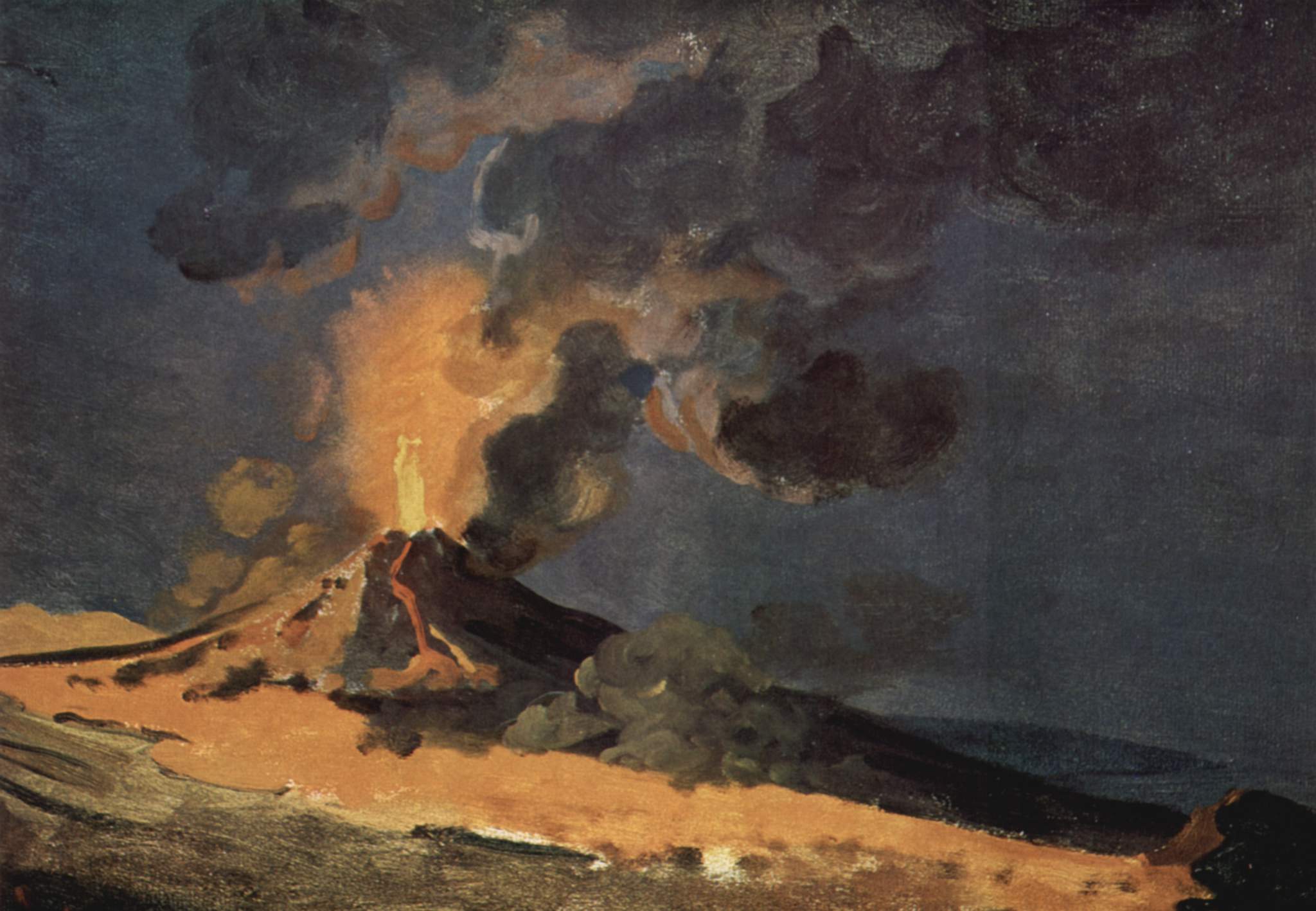
Power from Mt. Vesuvius, 1939


The following is a translation of an article from the Deutsche Zeitung in Nordchina (German Newspaper of North China) from 3rd October 1939. I've also found two further articles (here and here) from American newspapers in 1940, which talk about a plan to generate power by heating water over fissures near the summit.

What struck me most about the German article is the way that the technical language seems to take second place to the idea that this powerful giant is being made to bend to man's will, in an impressively futuristic (but suspiciously undetailed) undertaking. I would imagine that the reason for its appearance in a German paper in North China is to show the ingenuity and future self-sufficiency of one of Germany's allies, as well as being an engaging and inspirational piece of "news" in itself.

Many thanks to Tom for his help with the technical bits.


Vesuvius Power Station Planned. Italian Engineers' Bold Project.

By (Engineers) B. and H. Römer, Munich.

Modern science and technology is constantly engaged in the pursuit of new sources of energy and it is therefore not surprising that the question of using volcanic power has come in for consideration. In the country of Italy, which is not rich in coal, people are thinking earnestly about harnessing the gigantic amounts of energy which are stored in Naples' fire-spewing mountain, Vesuvius, energy which for the moment puffs uselessly into the air.

According to this latest project, a power station should be built in Atrio del Cavallo, the valley which extends between the 1186m high Vesuvius and the neighbouring 1120m high Monate Somma, in which the volcanic power can be put to use. From this position, man will attempt to assail the mountain and tame its fantastic, internal powers.

From its flank, a system of pipes made from fire-proof, unmelting material are to be inserted into Vesuvius' depositional cone, to reach the chimney of the volcano. This will divert those highly pressurised gases and vapours which accumulate due to the influx of flowing magma. With the introduction of the appropriate chemical processes, these gases will be made combustible and highly exothermic and will be used to fuel gas engines. It may also be possible to collect the vapours which circulate freely about the inside wall of the crater, to direct these through superheaters, and to use them to power turbines. These turbines will in turn move dynamos, which will generate electricity for a multitude of purposes. Italian researchers have calculated that the quantity of heat Vesuvius releases into the air every year is equivalent to the heat from over 1 million tonnes of coal.

Until now, it was only tourism which gave the famous Vesuvius a certain economic importance. However, through the exploitation of the gigantic, still untamed volcanic power, the mountain could gain the highest significance for Italy's energy industry. The project may today appear utopian, but one day man's ingenuity will make even this bold plan a reality.

Tuesday, 17 May 2011

Find the fifth pig

I'm developing a bit of a side-interest in the propaganda war that took place in the occupied Netherlands during World War Two. Consequently, coming across this via a comment under a Five Chinese Crackers post kind of made my evening.

Thursday, 29 July 2010

America's Tragedy: Third Reich Perceptions of the United States

I love it when a plan comes together...

In a development which I feared would never actually take place due to my usual scatty and disorganised state of operation, work which I've done for this blog is going to form part of my soon-to-be-completed but largely-not-written-yet Masters dissertation. The topic can be roughly summarised as 'Third Reich perceptions of the United States' - hopefully it will explain how positive and negative views were reconciled in the minds of the general public once it became clear that Germany and America would be at war for a second time. Kurt G. Sell's Worüber man in Amerika spricht, which I've posted passages from before (see tag list) makes an appearance, alongside six more or less similar books. You can expect a smattering of translations from these to appear over the next few weeks, whenever I'm avoiding doing the more important work on the dissertation itself.

The following argument is taken from Menschen Wie Wir? Ein Amerikabuch für Europäer (Berlin, 1943) by Edmund Fürholzer, who I still no next to nothing about. The aim of his 400-page book is to explain why, when the US benefitted from the hard work of German immigrants and the support of German politicians, they are nevertheless prepared to go to war against Germany. In his words, Americans 'share our blood but not our spirit', 'us' being the Europeans. So whose spirit to they share? A soulless, materialistic pairing of Anglo-Saxon and Jewish, passed down from the Pilgrim Fathers.

Obviously I don't agree with any of the following, this is a translation of something I think is insane*.

From its first beginnings, the state of New England was anchored in an Old Testament mindset. State and religion were one, and there was no going back. The more it became clear that running the state along biblical lines would be impossible, the more fanatically the Puritans clung to the illusion; America's tragedy began to run its course. Intellectual Phariseeism and empty form replaced the original heroic spirit. The attempt at transplanting the Jewish Old Testament state into the Christian seventeenth and eighteenth century was doomed to failure. [...]

Der Staat Neu-England war von seinem ersten Anfangen an in den Gedankengängen des Alten Testamentes verankert: Staat und Religion bildeten eine Einheit. Es gab kein Zurück. Je stärker die Unmöglichkeit einer altbiblischen Staatsführung offenbar wurde, um so fanatischer klammerte sich das Puritanertum and den Schein; die Tragödie Amerikas nahm ihren Anfang. An Stelle des ursprünglichen heroishen Geistes trat intellektuelles Pharisäertum und tote Form. Der Versuch, den Judenstaat des Alten Testamented mit seinen Gesetzen und Anschauungen in das christliche sibzehnte und achtzehnte Jahrhundert zu verpflanzen, mußte scheitern.


We can see from looking at some of their laws and customs just how closely the Puritans followed the letter of the Bible.: They called themselves “the Christian Israel“, they spoke of their emigration to America as the „flight of the children of Israel“. Their god was Jehovah, their constitution was in line with the laws of Moses. In place of the Christian Sunday came the Jewish sabbath. The boys were circumcised. The Puritans took their festivals from the Old Testament. The self-righteousness and hubris of old Judaism ran in their veins. Whether to absolve themselves from mistakes or to justify their very unchristian conduct towards colonists of other beliefs, they always had an apt Bible quote to hand. [...]

Wie stark die Puritaner sich nach den Buchstaben der Bibel richteten, ersehen wir bei Betrachtung einiger ihrer Gesetze und Sitten: Sie nannten sich ,,das christliche Israel“; von ihrer Auswanderung nach Amerika sprachen sie als der ,,Flucht der Kinder Israel“. Ihr Got war Jehova, ihre Verfassung war den Gesetzen des Moses angepaßt. An Stelle des christlichen Sonntags trat der jüdische Sabbath. Die Knaben wurden beschnitten. Die Feste entnahmen die Puritaner dem Alten Testament. Selbstgerechtigkeit und Hybris des alten Judentums gingen ihnen in Fleisch und Blut über. Sei es zur Beschönigung ihrer eigenen Fehler oder zur Rechtfertigung ihrer sehr unchristlichen Handlungsweise gegenüber andersgläubigen Kolonisten - stets hatten sie ein passender Bibelzitat zur Hand.


Oliver Cromwell, the greatest of all Puritans, celebrated his victory over Ireland, which he depopulated with inhuman cruelty, turning it into a land of pestilence and hunger, with the words; „And now we ask ourselves: who has completed this great work? It was not done through our power; God the Father delivered it to our hands.“ Jews as the chosen people of the Old Testament and England as the chosen people of the New Testament; these become one in Cromwell's words. It should therefore come as no surprise that he allowed England's Jews to travel freely to the transatlantic colonies. It was strictly forbidden for the island's Catholics to settle in the New World. [...]

Oliver Cromwell, der größte aller Puritaner, feierte seinen Triumph über Irland, das er mit unmenschlicher Grausamkeit entvölkert und zu einem von Seuchen heimgesucht Hungergebiet gemacht hatte, mit den Worten: ,,Und nun wllen wir uns fragen: Wer hat dieses große Werk vollbracht? Nicht unsere Macht war es; Gott der Herr hat sie in unsere Hände gegeben.“ Juda als das auserwählte Volk des Alten und England als das auserwählte Volk des neuen Testamente verschmolzen in Cromwells Worten zu ein und demselben Begriff. Daher kann es auch nicht wundernehmen, daß er den Juden Englands die Auswanderung nach den transatlantischen Kolonien freigab. Den Katholiken der Insel war die Ansiedlung in der Neuen Welt strengstens verboten.


The resistance of other protestant religious communities failed due to the Puritanisms heavy political clout. They were English to the full; the common belief in an Anglo-Saxon divine calling proved a unifying bond, even in the face of bitter contradictions in the application of dogma, all taken from the same Old Testament. The most radical political course cut through all ecclesiastical differences; in the end Puritanism was able to claim for itself leadership of the New World's Anglo-Saxon church state. This attitude outlasted the colonial period, going on to determine the public life of the United States in the nineteenth and twentieth centuries. It was the spirit of Judaism which American Christianity adapted itself to. [...]

Der Widerstand anderer protestantischer Religionsgemeinschaften gegenüber der Neu-England-Richtung scheiterte an der stärkeren politischen Durchschlagskraft des Puritanertums. Engländer waren sie alle; der gemeinsame Glaube an eine göttliche Sendung des Angelsachsentums erwies sich als einigendes Band, selbst bei erbitterten Gegensätzen in Auslegung der Dogmen, die alle auf dem gleichen Alten Testament fußten. Die radikalste politische Richtung setzte sich gegenüber allen kirchlichen Differenzen durch; schließlich behauptete sich der Puritanismus doch als Führer des kirchlich-staatlichen Angelsachsentums der Neuen Welt. Dieser Geist überdauerte die Kolonialzeit und bestimmte in neunzehnten und zwanzigsten Jahrhundert das öffentlichen Leben der Vereinigten Staaten. Es war der Geist des Judentums, dem sich das amerikanische Christentum assimilierte.


The racial Jew arriving in America really did find the Promised Land. He did not need to adapt to new conditions, as instead the foreigner had assimilated to his beliefs, his thoughts, and his behaviour.

Der nach Amerika kommende Rassenjude fand tatsächlich das Gelobte Land vor. Er brauchte sich nicht neuen verhältnissen anzupassen, sondern die Fremde hatte sich von selbst seinem Wesen, seinem Glauben, seinem Denken und Handeln angeglichen.

(Fürholzer, pp.30-2)

*Shouldn't need saying, but this is the internet and some people aren't big on context

Tuesday, 30 March 2010

"That's England!" Cover and index

I had my first visit to the British Library a few weeks ago (such a wonderful, friendly, relaxing place that for the first time ever I actually wished I lived in London) and looked at a couple of Nazi-era books on the British Empire. Time and money constraints meant that I only made a few notes and copied down the indexes, but they're illuminating enough.

First up, That's England! World Domination through Blood and Gold by Fritz Reipert, published either 1939 or 1940. It's only forty pages long, cheaply bound and priced at 40 Reichsmarks*. The cover alone puts it firmly in the categories 'popular' and 'subjective'.


Index: (Bear in mind that German employs exclamation marks far more liberally than English. The author also uses 'Britain' and 'England' interchangeably.)
1. England - same as ever!
2. The bloodstained path to a British Empire
3. The sanctity of contracts - as England sees it!
4. England in the stocks!
5. British conduct during the World War
6. Versailles: new edition - England's dream!
7. German peacekeeping - English warmongering
8. England is to blame for the war!
9. England's blood-guilt in Poland
10. Lies and horror stories - England's weapons!
11. Abuses of neutrality - the prerogative of British warfare
12. England's last resort - hunger blockade!
13. England's big mistake!

*Trying to figure out what that is in today's money, or any other meaningful comparison has me beaten so far. I'm still working on it.

Saturday, 7 November 2009

Kurt G. Sell on "the great melting-pot"

More thoughts from the Nazi-era cultural commentator. For an explanation of who Kurt G. Sell was and why I'm reading his book, see this post. My two other posts on this book are here and here.

According to our guide, New York represents everything bad about "the great melting pot". Sell repeats his earlier assertion that it's the less worthy / capable / hard-working immigrants who stay in the East Coast cities, and then presents us with some statistics:

Total population of New York: 7 million

Negro population: 440 000

Jewish population: 2 million

The Jews are by far the most numerous: at 2 million they make up 27% of the population of New York, while the figure for the whole of the USA is only 3.6% (4.6 million). With the Jews, then, the disparity [of New York?] with the rest of America is far more drastic and one would be completely justified in calling the largest city in America "jewified". More Jews and Negroes live in New York than in any other city in the world. (p.85)

,,Die Juden sind bei weitem am zahlreichsten: mit 2 Millionen bilden sie 27% der New Yorker Bevölkerung, während für die gesamten USA. nur 3,6% (4,7 Millionen) gezählt wurden. Bei den Juden ist also das Mißverhältnis zu dem übrigen Amerika noch viel drastischer und es ist durchaus berechtigt, wenn man die größte Stadt der USA. als ,,verjüdet" bezeichnet. In New York leben mehr Juden und meahr Neger als in irgeneiner anderen Stadt der Welt."

1st or 2nd generation immigrants: 73% of the NY population

Without these immigrants (whom, Sell is keen to point out, the inhabitants of more provincial states would not consider to be Americans at all), New York would have a similar population to Detroit. Sell doesn't name a source for his numbers, but based on the Detroit / New York comparison, I'd say there's a good chance that he's using census results from 1930 (presuming he had access to these at that time). The population given here for New York was 6,930,446 and for Detroit 1,568,662. If he was also excluding the black population from the "American" inhabitants of New York, then the figures would roughly match up. On the other hand, the 1931 census report (full, huge, beautiful pdf here) gives the black population of the whole state as only 412,814. This is the point where I admit that statistics aren't really my bag.

Immigrant population by nationality (in the order Sell lists them):
Italians: 1 070 000
Russians: 945 000
Germans (incl. Austrians): 888 000
Poles: 458 000
Englishmen: 178 000
Hungarians: 11 500
Romanians: 93 000
Czechs: 72 000
Immigrants "from 40 other countries of the world": 800 000

It seems utterly bizarre to me that immigrants of Irish descent haven't been given their own category. Surely the census form can't have ignored such an important (and emotionally charged) distinction? I've a suspicion that Sell has casually swept them under the "Englishmen" heading, as he no doubt did with the Scots and Welsh. What is this German aversion to the words "Britain" and "British"?

Moving on, what, according to Sell, has this genetic gumbo done to parts of New York? Nothing positive:

Of the 38 million immigrants between 1820 and 1930, nine tenths landed in New York, and almost one sixth of them stayed in New York. New York is, by American standards, a very old city but she has failed to take care of either her welfare service or her many inhabitants. These have to then bunk down with their countrymen. So it was that the terrible slums came into being, and these have still not been cleaned up, despite the fact that the better class of New Yorker and the loudmouthed New York press constantly gab about the cultural peaks that America has reached, far above the "poor Europeans". The Lower East Side of the island of Manhattan, which stretches from south to north and accommodates the most important part of the city remains the worst slum in the western world. Here dwell Jews, Chinese, Armenians, Greeks, Slavs, Czechs, obviously no Germans. A stroll on a hot summer's evening through Orchard or Rivington Street or through any part of Lower East Side is like a visit to a run-down goat shed.

,,In New York landeten zwischen 1820 und 1930 neun Zehntel der 38 Millionen Einwanderer, und fast ein Sechstel davon blieb in New York. New York ist nach amerikanischen Begriffen eine sehr alte Stadt, aber weder um soziale Einrichtungen noch um die vielen Einwohner hat sie sich gekümmert. Diese suchten daher bei ihren Landesleuten Unterschlupf. So entstanden die furchtbaren Elendsviertel, die heute noch nicht gesäubert sind, obwohl der bessere New Yorker und die großmäulige New Yorker Presse andauernd von den kulturellen Gipfel schwatzt, den Amerika erreicht habe, weit über den ,,armen Europäern". Der untere Osten der Insel Manhattan, die sich von Süden nach Norden erstreckt und den wichtigsten Teil der Stadt beherbergt, ist immer noch der übelste Slum der westlichen Welt. Dort hausen Juden, Chinesen, Armenier, Griechen, Slawen, Tschechen, selbstverständlich keine Deutschen. Ein Spaziergang an einem heißen Sommerabend durch Orchard oder Rivington Street oder durch das Lower East Side-Viertel überhaupt ist wie ein Besuch in einem verwahrlosten Ziegenstall."

You know what's the coolest thing ever? Thanks to the wonders of technology, I can show you exactly what the corner of those two streets looks like today:

View Larger Map

Complete lack of goats but still, I love the internet.

Friday, 9 October 2009

Categorising the Americans

I've given you Kurt G. Sell's views on American food and women, but what of the population as a whole? The well-travelled journalist acknowledges many differences between Americans from different areas and states, despite the homogenising effects of chain-stores and migrating army communities:

It is very difficult to start a conversation with people from the eastern states. Even when they discover that someone is from the same town, they maintain their reserve and keep the conversation to strictly impersonal topics such as the weather or baseball. Drivers whose cars have New York license plates will stare straight past each other, even when they meet on a country road thousands of miles from New York. In the same situation, drivers from the small but hugely self-confident state of Indiana, always willing to sing their home's praises, will throw their arms around each other. If an Illinois traveller on a bus sees a car from Illinois drive past, he will practically fall out of the bus with excitement and holler loudly, "Helloooo Illinois". Fall into conversation with a Midwesterner and he'll tell you outright where he's from, what his job is, what he has planned for the moment and so on, because he believes he owes you this information out of politeness. People from the southern states even go a step further by adding a philosophical undertone to their explanations, professing, without being asked, their views on religion, women, Negroes, on "sin" in general, and on a hearty bout of drinking. (pp.30-1)
,,Es ist sehr schwer, mit Leuten aus den Oststaaten in ein Gespräch zu kommen. Selbst wenn sie erfahren, daß man aus derselben Stadt kommt, so bleiben sie reserviert und unterhalten sich allenfalls über streng unpersönliche Dinge wie Wetter oder Baseball. Autofahrer, deren Wagen eine New Zork Lizenz hat, sehen glatt aneinander vorbei, auch wenn sie sich irgendwo, tausend Meilen von New Zork entfernt, auf der Landstraße treffen. Autofahrer aus dem kleinen, aber ungeheuer selbstbewußten und stets die Reklametrommel der Heimat schlagenden Staat Indiana fallen sich aus gleichen Anlaß um den Hals. Wenn ein Reisender aus Illinois im Bus einen Wagen aus Illinois vorbeifahren sieht, so fällt er vor Begeisterung fast aus dem Bus und juhuut ganz laut: ,,Helloooo Illinois". Unterhält man sich mit einem Mittelwestler, so erzählt er Ihnen ohne Umschweife, woher er kommt, welchen Beruf er hat, was er augenblicklich vorhabe usw., weil er glaubt, er sei deise Auskünfte schuldig. Leute aus den Südstaaten gehen noch einen Schritt weiter: Sie bringen philosophierenden Unterton in ihre Ausführungen und bekennen unaufgefordert, was sie über Religion, Frauen, Neger, über ,,Sünde" im allgemeinen und über eine ausgiebige Zecherei denken."


Can you imagine this guy "youhooing" from a bus?

He also gives a brief history of immigration to North America, to explain the lack of upper-class and other social phenomena. I'm going to attempt to give an even briefer version in my own words, without necessarily agreeing or dismissing any of the content of it. Analysing the accuracy of Sell's views would take a lifetime that I can't spare.

Two groups arrived in the 17th century: rich sons of English aristocrats seeking their fortune by setting up plantations, and the "real emigrants", the pilgrims of the Mayflower, who were fleeing the horror of religious persecution in England. Have you spotted the source of all evil yet? You will.

The native population refused to work for the English plantation owners, leading to the establishment of "white slavery" in America, "following the famous English model" of punishing contracts and a scrip system for the workers but a life of luxury for the owners. Once the horror stories had reached home and white labour became hard to find, black slaves were imported from Africa via the West Indies:
"Black ivory" was the name for the cargo which the cultured Englishmen had brought to them in the most terrible conditions in the holds of ships. [...] Runaway slaves were pursued with bloodhounds, and when the North finally attempted to introduce more humane conditions in 1861, it was the cause of (or at least the excuse for) a civil war which lasted until 1865 and ended with the defeat of the English South.
The plantation owners had to set their slaves free but the Negroes, who had been somebody's property for generations, were at a loss in this new situation in which nobody advised or supported them, and so began the sad and also dangerous chapter of the USA's Negro problem. (p.14)

,, ,,Schwarzes Elfenbein hieß diese Fracht, die die englischen Kulturträger in den Laderäumen der Schiffe unter den furchtbarsten Verhältnissen heranschaffen ließen. [...] Flüchtige Sklaven wurden mit Bluthunden gehetzt, und als der Norden endlich 1861 etwas menschlichere Zustände einführen wollte, da kam es darüber (wenigstens was das der äußere Anlaß) zum Bürgerkrieg, der bis 1865 dauerte und mit der Niederlage des englischen Südens endete. Die Pflanzer mußten ihre Sklaven freigeben, aber die Neger, die Generationen hindurch Leibeigene gewesen waren, wußten mit dieser neuen Lage, in der sie niemand beriet oder unterstützte, nichts anzufangen, und so begann das traurige, ja gefährliche Kapitel der Negerproblems in den USA."

As if to balance out the empathy shown at the beginning of that extract, here's how the book describes the distribution of later immigrants:

The flow of new blood always came from the east - in other words, from Europe - and the pressure of the continually-gathering masses on the East Coast caused the country's borders to be pushed further and further west until they reached the Pacific Ocean. The incapable and the scum stayed in the great cities of the East, particularly in New York; the others, especially the Germans and Scandinavians, pushed on into the Midwest and North-West and built there new homes for themselves. (pp.17-8)
"Der Zustrom neuen Bluts kam immer vom Osten ß das heißt von Europa - und durch den Druck der Massen, die sich an der Ostküste immer wieder ansammelten, wurden die Landesgrenzen immer weiter nach Westen vorgeschoben, bis man endlich am Stillen Oyean angekommen war. Die Unfähigen und der Abschaum blieben in der großen Städten des Ostens, besonders in New Zork; die anderen, insbesondere die Deutschen und die Skandinavier, drangen vor zum Mittelwesten, zum Nordwesten und schufen sich dort einen neuen Hausstand."


It's impossible to say whether this is Sell's own opinion or something added at someone else's insistence. I was certainly surprised to read the word Abschaum (which I've translated as 'scum'), which I feel doesn't really fit with the tone of most of his writing here.

One reason I find books like this fascinating is because they can reveal such strange combinations of opinions which simply don't square with the simplified categories we try to put squash historical ideas and personalities into. Nazi Germany clearly wasn't a three-way battle between "real" Nazis, brave anti-fascists and an apathetic mainstream, in common with all societies, there were endless constellations of opinions on thousands of different issues. You had people like Sell here, who could empathise with the plight of black slaves, but still believe in a hierarchy of races (much more dealing with this theme will follow soon), just as you have people in modern Britain who are against racism but don't mind if items important to members of other cultures are banned. How will they be classified when kids are learning about "Computer Age England", or whatever the course will be called?

So, would I describe Sell as a "Nazi" writer? To borrow a term from science blogging, I think you'll find it's a bit more complicated than that.

Thursday, 24 September 2009

American women - the view from the Third Reich

In my first post on Worüber man in Amerika spricht, (far too many moons ago) I dealt with the foreword and anything I had managed to find out about the author, his life, industry and colleagues. To summarise: Kurt G. Sell was a German journalist and diplomat who acted as foreign correspondent, providing background information (for German news agencies and a regular radio bulletin) on American politics, society and culture. When the United States entered World War Two, he and his colleagues were imprisoned and later flown back to Germany. This book, "What America is talking about" (roughly translated), was published in 1943 and gives his impressions of his former adoptive home It's a strange mix of genuine affection, Nazi ideology and bewilderment at America's funny foreign ways and it's very difficult to say how much of it represents Sell's own opinions or the work of the censors. Either way, it's a fascinating read.

Details from the front and back covers


In this section, Sell describes how women have "feminized" American society, their two chief obsessions being comfort and eternal youth:

The woman is responsible for the fact that not only every office building but also every reasonably modern apartment building has an elevator as she doesn’t like to walk, let alone climb stairs. [...] Cars are used, even when the destination is only three blocks away. When choosing a car, the woman has the last word, and so it is primarily for her that they are built. The upholstery, and in many cases also the outer paintwork, is of two tones. Armrests and adjustable seats turn the car into a motorised divan: it goes without saying that heating and radio are provided. (p.21-2)


Die Frau ist dafür verantwortlich, daß nicht nur jedes Bürogebäude, sondern auch jedes einigermaßen moderne Mietshaus einen Fahrstuhl hat, denn sie mag nicht gehen, geschweige Treppen steigen. [...] Autos werden benutzt, auch wenn das Ziel nur drei Häuserblocks entfernt ist. Bei der Auswahl des Wagens hat die Frau das letzte Wort, und daher ist er hauptsächlich für sie gebaut. Die Polsterung, vielfach auch die Außenlackierung, ist in zwei Tönen abgestuft. Armstützen und verstellbare Sitze machen aus dem Auto einen fahrbaren Diwan: für Heizung und Radio ist selbstverständlich gesorgt.

It also seems to be a feminine element of civilisation that the Americans eat every dish (including the dessert but excluding the soup) only with a fork and then only use the knife, kept in reserve, when the meat cannot be separated with the fork. This procedure is very laborious and repeatedly presents a shock to the foreigner: one holds the fork in the right hand and with it picks up a piece of food, which is taken to the mouth with that fork. Then one takes the fork in the left hand, reaches for the knife, and cuts oneself a small piece of meat. However, under no circumstances does one ferry it to one’s mouth with the left hand. Far from it! One puts the knife to one side, passes the fork back to the right hand and uses it to eat the cut off piece of meat. This action is repeated throughout the entire meal and leads to the situation whereby everyone rests their left elbows on the tabletop and lets their left hand wave freely in the air. It doesn’t look very attractive but the American woman has instituted this for reasons of comfort, and the meat is usually brought to the table in such a way that one need hopefully never reach for the knife. This spares the teeth the need to chew; they are as unable as the knife to prove what they are there for.” (p.23)


Ein weibliches Zivilisationselement scheint es auch zu sein, daß die Amerikaner jede Speise (einschließlich der Nachspeise, aber ausschließlich der Suppe) nut mit der Gabel essen und das in Reserve gehaltene Messer nur dann benutzen, wenn sich das Fleisch mit der Gabel nicht zerteilen läßt. Diese Prozedur ist sehr umständlich und für jeder Ausländer immer wieder ein Schock man hat die Gabel in der rechten hand und pickt damit ein Stück Nahrung auf, das man mit dieser Gabel yum Mund führt. Dann packt man die Gabel in die linke Hand, greift yum Messer und schneidet sich ein kleines Stück Fleisch ab. Das führt man aber keinesfalls mit der linken Hand in den Mund. Weit gefehlt! Man legt das Messer weg, übergibt die Gabel wieder der rechten Hand und holt sich damit das abgeschnittene Stück Fleisch. Dieser Vorgang wiederholt sich während des ganzen Essens und führt [...] dazu, daß jeder den linken Ellbogen auf die Tischplatte stützt und die linke Hand frei I’m Raum schweben läßt. Das sieht nicht sehr schön aus, aber die amerikanische Frau hat das aus Bequemlichkeitsgründen eingeführt, und meist kommt das Fleisch schon so auf den Tisch, daß man möglichst gar nicht zum Messer zu greifen braucht. Das erspart den Zähnen auch das Zerkauen; sie können ebensowenig wie das Messer noch zeigen, wofür sie da sind.

After the provision of comfort, a woman’s priority is to maintain her youthful appearance for as long as possible:

From behind, even the older American woman looks like a young girl: shoes, stockings, very short skirts, hairstyle, are the same from the ages of 16 to 60. [...] The hunt for a husband has become difficult; so many men have been called up, and immigration has ceased, and so one must arm oneself against the competition. (p.24)


Von hinten sieht auch die ältere Amerikanerin wie ein junges Mädchen aus: Schuhe, Strümpfe, ganz kurze Röcke, Haartracht sind von 16 bis 60 Jahre gleich. [...] Die Jagd nach dem Mann ist schwierig geworden: so viele Männer werden eingezogen und die Einwanderung hat aufgehört, also muß man sich für der Konkurrenzkampf rüsten.

He goes on to say that life has become less comfortable since the declaration of war, with rationing, a shortage of cars, and no delivery service from grocery stores. I'm not sure if this is a pure statement of fact or if there's an element of "serves them right" in there.

I'm going to eat my lunch now, using only my fingers, with both elbows on the table (it's a sandwich).

Monday, 24 August 2009

A Nazi-Era History of Hamburg

... Not that you'd really know, for the first three quarters of the book. And I was looking very closely for signs of fanatical revisionism because these 80 page volumes from Christmas 1941 come with a “get well soon” message from Hamburg Gauleiter Karl Kaufmann - a name which by rights should be as infamous as Goebbels, Goering and Himmler.

"Get well soon" message

It briefly describes Hamburg’s development from a small, dependent settlement on the Elbe, to a wealthy, independent merchant city, to Germany’s largest harbour and gateway to the world. At no point does it mention the contribution of Jewish merchants to Hamburg’s prosperity but then it doesn’t mention Jews at all. Apart from taking the side of the Saxons against Charles the Great, Hamburg’s earlier history is dealt with in the same brief, upbeat, “didn’t we do well” manner you find in most local museums.
There are some facts about Hamburg’s prominence after the French Revolution which might not stand up to scrutiny; apparently, all of England’s trade with mainland Europe ran through Hamburg, and it was this English connection that dragged the ever-neutral Hamburg into the fight against Napoleon, in which they suffered the worst treatment imaginable. Then we hit the World War One, in which Hamburg allegedly proves its loyalty to Germany and shares in its cruel treatment at the hands of its opponents:

The historical development of our city could easily create the impression that Hamburg had placed her own interests over those of Germany. However, we must not overlook the fact that it was only through this political independence that the Hamburg’s inner strength of purpose, enterprising courage, tenacity in the face of set-backs, and flexibility in the conquering of new markets could develop, and could blossom among Germany’s ranks. The successful utilisation of these qualities for the city simultaneous meant service to the interests of Germany; Hamburg’s profile in the world was Germany’s vindication, Hamburg’s economy was the German economy. The fact that Hamburg, despite all her international connections and despite the various points of contact with foreign ways and customs, remained truly German at heart, is proven by the inscription on the memorial columns in Adolf Hitler Square: “40 000 sons of this city gave up their lives for you!” (p.62-3)

Der geschichtliche Werdegang unsere Stadt könnte wohl den Eindruck erwecken, als ob Hamburg seine eigenen Interessen über die Deutschlands gestellt hätte. Es darf aber nicht übersehen werden, daß sich nur in dieser politischen Selbständigkeit die den Hamburgern innewohnende Tatkraft, der Mut zu großen Unternehmungen, die Zähigkeit bei Rückschlägen und die Geschicklichkeit bei der Eroberung neuer Märkte entwickeln und in den Zeilen der deutschen Zerrissenheit ungehindert entfalten konnten. Der erfolgreiche Einsatz dieser Kräfte für die Stadt bedeutete aber gleichzeitig Dienst an den deutschen Interessen; denn Hamburgs Ansehen in der Welt war Deutschlands Geltung in der Welt, Hamburgs Wirtschaft war deutsche Wirtschaft. Daß der Hamburger trotz aller internationalen Bindungen und trotz der vielfachen Berührungen mit fremdlündischer Art und Sitte in seinem Kern echt deutsch geblieben ist, beweist die Inschrift an der Gedenksäule am Adolf-Hitler-Platz: ,,40 000 Söhne dieser Stadt ließen ihr Leben für euch!”

This paragraph shows one of the problems that more extreme nationalists faced in Germany. The aims of independence and unity had mostly been achieved but people’s identity was (and to some extent is) bound to their city or region. This must have been especially strong in Hamburg - the most successful of the old hanseatic cities - which had fought so long for independence from outside interference and restrictions, and which was very international in its outlook. This combination of weak internal ties and strong international ones meant that, similar to their Italian counterparts, the Nazis had to work hard to create a sense of the whole of Germany standing shoulder to shoulder against the rest of the world.

Front cover

And so onto the next chapter, dealing with the First World War and its aftermath:

Hamburg’s decline
The development of the German state ran almost parallel with the proud developments in Hamburg. The kingdom which had been created in Versailles in 1871 had become a great power, whose flag flew over all seas, whose hard work had led to the creation of her colonies, and whose highly-valued industrial wares were gladly bought in all the world’s markets. It had also become a military power, with a decisive voice in Europe.
The rise of the state, whose glory sadly hid here and there bitter political and social injustice, was viewed as increasingly dangerous by other world powers. They were working on a plan of war against Germany.
The shot in Sarajevo, hardly thought to be significant at first, was the decisive signal. Within only a few weeks almost the whole globe stood in arms against Germany. The state marched into the greatest war in the whole of history. At one stroke, all the life which had given Hamburg its face died out in the city. Hardly a single ship left the harbour. The trade fleet floated in long lines against the quayside, was interred in enemy ports or stayed in neutral harbours.
Large and small ships served as support vessels. Many sank under fluttering flags of war. Life in the shipyards continued regardless. One after the other, battleships grew on the Helligen [?*]. Men and women stood at the lathes, in order to supply the fighting front with granades.
However, a hunger blockade lay around Germany like an iron belt. Women and children were becoming paler. Hunger was found everywhere in Germany and Hamburg. The Hamburg Regiment, the 76th Infantry regiment, had gone to the front in the very first days of the war. In difficut battles it had bled for the great empire. [...] Then came, whilst the front was still standing, Germany’s most shameful hour: revolution in Germany. (p.64-7)

Hamburgs Niedergang Mit Hamburgs stolzer Entwicklung fast gleichlaufend war die Entwicklung des Reiches gegangen. Das in Versailles 1871 entstandene Kaiserreich war zu einer Großmacht geworden, deren Flagge auf allen Meere wehte, die mit Fleiß sich der Erschließung ihrer Kolonien widmete und deren hochwertige industrielle Güter auf allen Märkten der Welt gern gekauft wurden. Es war außerdem eine militärische Macht geworden, die in Europa ein entscheidendes Wort mitzusprechen hatte. Der Aufstieg des Reiches, hinter dessen Glanz sich allerdings hier und dort bittere politische und soziale Ungerechtigkeit verbarg, ward in den Augen anderer Großmächte für diese immer gefährlicher. Planmäßig arbeiteten sich auf einen Krieg gegen Deutschland hin. Der Schuß von Sarajewo, zuerst kaum gewertet, war das entscheidende Signal. In wenigen Wochen stand fast die ganze Erde gegen Deutschland in Waffen auf. Das Reich zog in den größten Krieg der Geschichte aller Zeiten. Mit einem Schlag erstarb in Hamburg alles Leben, das ihm bis dahin sein Gesicht gegeben hatte. Kaum ein Schiff mehr verließ den Hafen. Die Handelsflotte reihte sich in langer Linie an den Keimauern, war in feindlichen Häfen interniert oder lag in neutralen Häfen. Große und kleine schiffe taten als Hilfskreuzer Dienst. viele sanken unter wehender Kriegsflagge. Das leben auf den Werften aber ging unentwegt weiter. Kriegsschiff auf Kriegsschiff wuchs auf den Helligen. Männer und Frauen standen an den Drehbänken der Fabriken, um der Kämpfenden Front die Granaten zu liefern. Um Deutschland aber legte sich wie ein eiserner Gürtel die Hungerblokade. Frauen und Kinder wurden bleicher und bleicher. Der Hunger ging um in Deutschland und Hamburg. Das Hamburger Regiment, das Infanterieregiment 76, war in den ersten Kriegstagen schon nach dem Westen gegangen. In schweren Schlachten blutete es für das große Reich. [...] Dann kam, während die Front noch stand, Deutschlands schmählichste Stunde: Revolution über Deutschland.


Again, no mention of Jews or even weak liberals, and no resort to stabbed-in-the-back imagery. These are all elements I’ve been taught to expect from Nazi propaganda dealing with the end of the First World War, and they are all conspicuously absent.
Back to the text, and the “revolution”: Workers begin to demonstrate in Hamburg, stirred up by outsiders but also by anger; their wives and children are starving, their politicians have betrayed them and they are effectively disenfranchised by Hamburg’s class-based voting system. All of these things apparently make life easy for Marxist agitators. Hamburg’s soldiers return to find a “town beset by choas and hunger, wailing masses and incompetent leaders.” (p.67: aufgewühlte, hungernde Stadt, lärmende Pöbelhaufen and unfähige Führer. Die vierzigtausend Söhne der Stadt schienen umsonst gefallen zu sein.) Hamburg in the hands of the workers doesn’t provide much work, though the author also refers to international reasons for the crisis:

Hamburg becomes a national-socialist city
The heart of Hamburg, the harbour, and its life-blood, the ships, showed how Germany’s largest harbour was dependent almost exclusively upon trade across the globe. The decline of the world economy hit Hamburg hard, doubly so, as it was quite clearly shown in this and later years just how senseless the demands made by our opponents in the World War were.
Thousands and thousands lost their jobs, ship after ship was chained up in Walterhofer Harbour, machines rusted, factories fell into disrepair, life expired again in Hamburg. Year after year passed by, and each held less comfort than the last. (p.72)

Hamburg wird eine nationalsozialistische Stadt Hamburgs Herz, der Hafen, und sein Element, die Schiffe, zeigten, wie sehr Deutschlands größter Hafen fast allein abhängig war von Handel und Wandel in der Welt. Der Rückgang der Weltkonjunktur traf Hamburg schwer und hart, traf es doppelt hart, da sich in diesem und in den späteren Jahren erst richtig zeigte, wie sinnlos die Forderungen der Weltkriegsgegner waren. Tausende und tausende wurden erwerbslos, Schiff am Schiff wurde in Walterhofer Hafen an die Kette gelegt, Maschinen rosteten, Fabriken verödeten, das Leben erstarb wieder in Hamburg. Jahr um Jahr kam herauf und versank. Und jedes Jahr war trostloser als das andere.

According to the book 1929, first year of the Great Depression, was a decisive year for Hamburg because Adolf Hitler appointed Kaufmann as its Gauleiter. He is to unite the squabbling factions in the local branch of the NSDAP and “win” Hamburg for the national-socialists. The next passages are full of war metaphors (which are pain to translate) and there is a definite conflation of an election campaign with a military campaign (the German word Kampf has many uses).

For weeks and months the drumfire from National-socialist meetings rang out over the proud, dying city. The different groups within the party aligned themselves firmly behind their Gauleiter. In difficult battles in meeting halls they showed their political opponents that they were willing to meet terror with terror.
However, as the National-socialists grew, so did the communists. the front lines became clearer. On both sides stood fanatics. On both sides stood fighters.
And so, in 1930, Paul Keßler became the first National-socialist to fall. The fight became bloody. During the campaign for the Reichstag elections, the communists’ best troops, the Red Marines, were soundly beaten. (p.73-4)

Wochenlang, Monatenlang geht über die stolze, sterbende Stadt das Trommelfeuer nationalsozialistischer Versammlungen. Die verschiedenen Gruppen der Partei richten sich klar auf ihren Gauleiter aus. In schweren Saalschlachten zeigen sie dem politischen Gegner, daß sie gewillt sind, Terror gegen Terror zu stellen. Mit den Nationalsozialisten aber wachsen auch die Kommunisten. Die Fronten werden klarer. Auf beiden Seiten stehen Fanatiker. Auf beiden Seiten stehen Kämpfer. De fällt, 1930, als erster Nationalsozialist Paul Keßler. Der Kampf wird blutig. Im Reichstagswahlkampf wird die beste Truppe der Kommunisten, die rote Marine, zusammengehauen.

And so the strident prose continues, with more fighting, both politically and on the streets. More talk of fanatics, of Hamburger workers, of deaths in the ranks. The tone changes suddenly and we learn that two important organisations within the NSDAP were founded in Hamburg. Then we return to a list of party members who died, including one who was “shot down”, though we aren’t told who did the shooting. Finally, the breakthrough (although we don’t learn exactly how this was achieved):

By April 1932 the NSDAP is Hamburg’s strongest party. New electional campaign continue to come. The depression continues to worsen. The number of people without work continues to rise. Germany, and with her Hamburg, seems ready to lie down to die. Then, in January 1933, Adolf Hitler becomes Chancellor of Germany, and a few weeks later Hamburg’s government becomes National-socialist. (p.75)

Im April 1932 ist die NSDAP. Hamburgs stärkste Partei. Immer neue Wahlkämpfer kommen. Immer größer wird die Not. Immer mehr Menschen sind ohne Arbeit. Deutschland und mit ihm Hamburg scheinen sich zum Sterben legen zu wollen. Da wird, man schreibt Januar 1933, Adolf Hitler Reichskanzler und Hamburgs Regierung wenige Wochen später nationalsozialistisch.

Title page with drawing of a large wooden buoy

The final chapter affected me quite strongly. It claims that the Nazis delivered the population of Hamburg from years of misery and were leading them into a brighter future. Anyone who has seen the arial photographs of Hamburg’s streets after the firebombings of 1943 will understand what kind of deliverance fascists bring their active and passive supporters. When extremists are in control, it’s never only the minorities who suffer.

Hamburg becomes a Reichsgau**
After years of depression and poverty, the first glimmer of hope shone over the city.
Adolf Hitler himself created the first great supply of work through ambitious planning and gigantic projects. At first, this was predominantly restricted to the domestic market. Only later was Hamburg, the harbour city, gripped by the wave of work and progress. However, what Hamburg could do on its own, it did.
The chimneys began to smoke once more, the machines ran again. The graveyard of ships on Waltershofer Harbour emptied slowly.
Meanwhile, the Leader was building the empire. His Hamburg Gauleiter, Karl Kaufmann, became Reichstatthalter on 15th May 1933, and Hamburg became an inseperable part of the one, great empire. [...] In August 1934, the Leader called the German people to a referendum. Almost unanimously, Hamburg answered him with a “yes”. (p.76)

Hamburg wird Reichsgau Nach Jahren der Not und des Elends leuchtet der Stadt zum ersten Male wieder ein Hoffnungsschimmer. Adolf Hitler selbst schafft in gewaltigen Planungen und gigantischen Projekten die ersten großen Arbeitsvorhaben. Sie sind zuerst vorwiegend auf den binnenländischen Markt beschränkt. Hamburg, die Hafenstadt, wird von der Welle der Arbeit und des Aufstieges zwangläufig erst später erfaßt. Was Hamburg aud Eigenem schaffen kann, aber schafft es. Die Schlotte beginnen wieder zu rauchen, die Maschinen werden wieder blank. Der Schiffsfriedhof in Waltershofer Hafen leert sich langsam. Der Führer aber baut das Reich. Sein Hamburger Gauleiter, Karl Kaufmann, wird am 15. Mai 1933 Reichstatthalter und Hamburg unlösbar Teil des einen, großen Reiches. [...] Im August ruft der Führer das deutsch Volk zur Volksabstimmung. Fast einmütig antwortet ihm Hamburg mit ,,Ja”.

According to the book, things were looking up in Hamburg: industrially, economically, culturally. “Once again, Hamburg has become the old city of hard work, of enjoyment, of merchantile daring. Hamburg is a city of workers. Hamburg is also a KdF. city***.” (p.78: Hamburg ist wieder die alte Stadt des Fleißes, der Lebensfreude, des Kaufmännischen Wagemutes. Hamburg ist Stadt der Arbeiter. Hamburg ist auch KdF.-Stadt.) Then the writer describes what he sees as the most important development. On the advice of Goering and Kaufmann, Hitler redraws the political borders in the North of Germany. Hamburg’s boundary is widened to include surrounding towns and villages, including Altona (in the East), Wandsbek (in the West) and Harburg-Wilhelmsburg (South of the river Elbe). In exchange, other small communtities and the towns of Cuxhaven and Geesthacht are given to Prussia. This leads to a sentence you don’t hear very often: “A centuries-old fight was ended on the orders of Adolf Hitler” (p.79: Ein jahrhundertalter Kampf wird durch den Befehl Adolf Hitlers beendet.).

Finally, Hamburg can grow out of its corner, finally the different harbours of Hamburg and Prussia have been united under one great, decisive leadership. Space for new settlements is there, sites for factories can be found everywhere. Hamburg is Reichsgau through the action of the Leader. Hamburg is growing and growing. In order to withstand crises, it is building up new industries alongside its harbour, its trade, its wharfs. It is rebuilding the banks of the Elbe, creating new harbours, allowing new fisheries to develop. Hamburg has grown a new face; a German, a global face. For before Hamburg, the Reichsgau, there now lies a new, bright future as Germany’s gateway to the world. (p.80)

Endlich kann Hamburg aus seiner Enge herauswachsen, endlich sind die verschiedenen hamburgischen und preußischen Häfen unter einer großen, umfassenden Leitung zusammengeschlossen. Raum für Siedlungen ist da, Platz für Fabriken liegt überall. Hamburg ist Reichsgau durch des Führers Tat. Hamburg wächst und wächst. Es schafft sich, um Krisenfest zu werden, eine neue Industrie neben seinem Hafen, seinem Handel, seinen Werften. Es baut sich sein Elbufer neu, schafft sich neue Häfen, läßt große Fischereianlagen entstehen. Hamburg erhält ein neues Gesicht, ein deutsches, ein weltweites Gesicht. Denn vor Hamburg, dem Reichsgau, liegt nunmehr sonnenhell eine neue Zukunft als Deutschlands Tor zur Welt.


*
I'm stumped. I've searched for this word and possible typo variations and am still stumped. Help.

* The NSDAP, and later the Third Reich were divided into large administrative areas called Gaus and the leaders were known as Gauleiters. I couldn't find a sensible way to translate either term.

** Kraft durch Freude, I think. I'm not sure what being a "KdF city" actually involved though.

Friday, 22 May 2009

England: The Robber State (I)

I first came across Raubstaat England (England the Robber State) at a fleamarket a few months ago (and blogged about here). I managed to persuade myself that 40 Euros was too much to pay for 1941 cigarette card album but put up far less of a fight when I found it in a shop for 3/4 of the price.
Unlike typical British and American albums, most of the space is given over to text, making it more like a history book with the illustrations removed. It is, however, a history book with a very clear aim. Here are the front and inside covers:


The introductory chapter to Raubstaat England is called ,,Vorkämpfer der Freiheit" (champions of freedom). The title is in quote marks although there's no indication of who might have said this, or if it's a view attributed to a whole group of people. It's amazing how punctuation can indicate so much sometimes. The author (Dr E. Lewalter) starts with a description of his first English lessons, shortly after the turn of the century, in which he and his classmates were taught to recite a sea-shanty. Firstly, a bit of a dig at the unfamiliar pronunciation:
"[...] with amazement we became aware of which contortions the human speech apparatus, and of which uncleanliness the voicebox must be capable of, in order to bring forth truly English sounds."

(,,[...]wir wurden mit Staunen gewahr, welcher Verrenkungen die menschlichen Sprechwerkzeuge, welcher Unreinlichkeiten die Muskulaturen des Kehlkopfes fähig sein mußten, um echt englisch klingende Laute hervorzubringen.")
Eventually the class are trusted to recite the full sea shanty in chorus, pre-pubescent voices escaping through the open classroom window to declare triumphantly to the world:
"And 't is our endeavour
In battle and in breeze
That England shall ever
Be Lord of the seas."
I agree with the author that this is a slightly dubious thing for German children to be memorising and chanting in the middle of an Anglo-German arms race. On the other hand, he has beefed up the militarism in his translation:
,,Ob Schlachten toben,
Ob Stürme dräun,
England muß Herrin
Der Meere sein."
which, brought back into English, goes something like: "Whether battles rage or storms threaten, England must be ruler of the seas". This rather unfairly changes the song from one of ambition to one of jealous protection of superiority, which nicely sets up the central message of the book.*

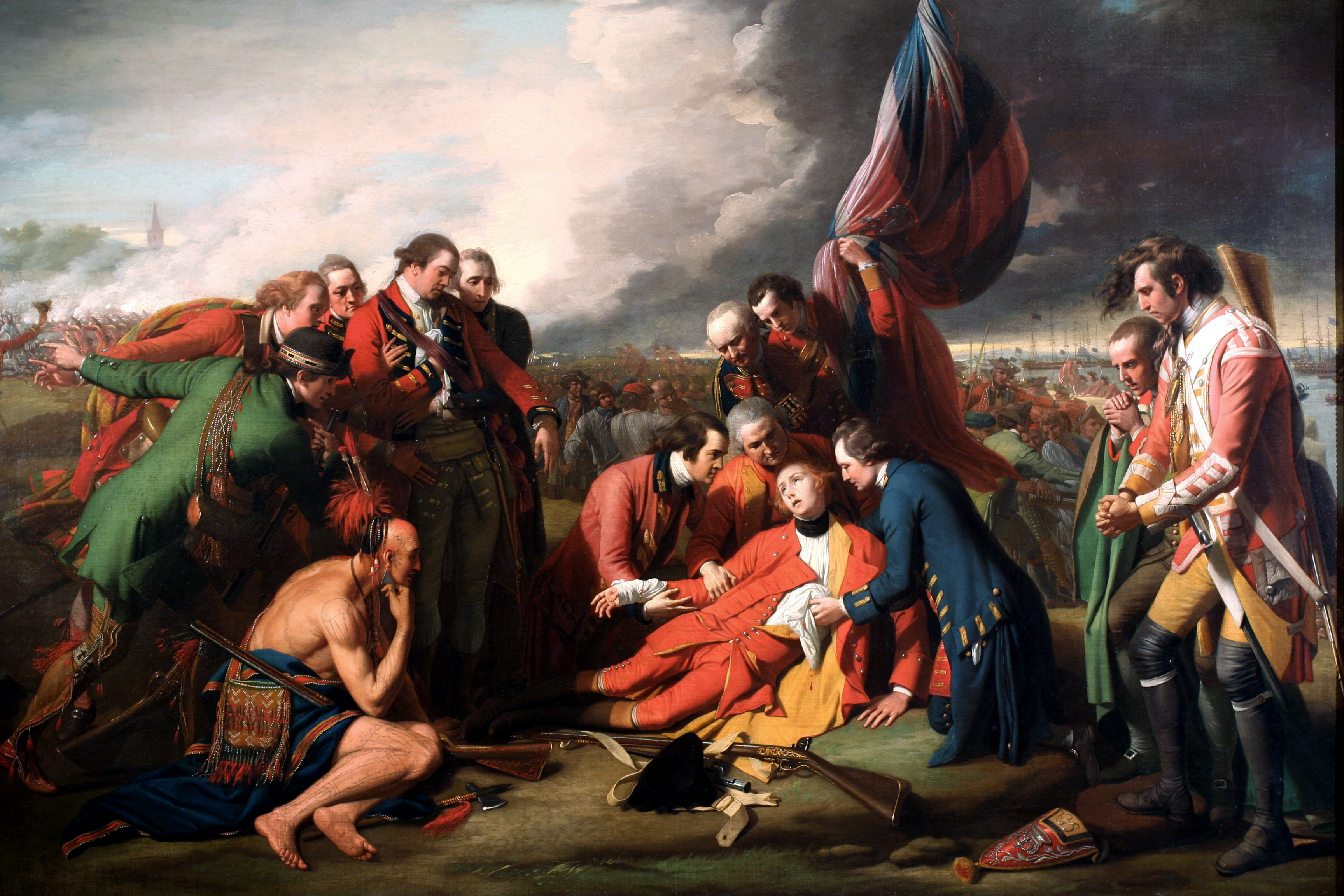
Lewalter wonders why nobody worried about Germany's youth, even after World War One, being taught using such anglophile material, which he feels must have led to a creeping sense of awe regarding England's naval power. Apparently the rest of his old textbook failed to provide balance and consisted of moving and edifying texts on, for example, the death of General Wolfe**, the Battle of Blenheim (with no mention of Prince Eugene), and all manner of English victories, including against the Scots and the Irish.
Two impressions arose through exposure to this material:
1. that the English always had right, and therefore the sympathies of the young German reader, on their side.
2. that the English had always been friends and allies of the Germans; their "cousins across the Channel" (,,Vettern jenseits des Kanals")
So where is he going with all this?
"However different the experiences of individual youths may have been, taken as a whole one is able to say that the German youth before the world war was raised in a strange, almost resigned reverence towards England - to be followed by a harsh awakening when England allied herself with our enemies right at the start of the world war."

,,Mögen solche Jugenderlebnisse auch im einzelnen recht verschieden gewesen sein, im ganzen wird man sagen dürfen, daß die deutsche Jugend vor dem Weltkriege in einer seltsamen, fast resignierenden Englandfrömmigkeit auferzogen wurde - aus der dann ein böses Erwachen folgte, als England sich gleich zu Beginn des Weltkrieges auf die Seite unserer Feinde stellte."
Lewalter makes it clear that this attitude only applied to England and that it would be unthinkable, especially after the war of 1870, for French grammar textbooks to contain texts glorifying French imperialism. He admits that German sympathies for the Boers during the Boer War "cast a threatening shadow over Anglo-German relations" (,,einen bedrohlichen Schatten auf die deutsch-englischen Beziehungen geworfen") but this was not seen as grounds to change the way in which Germany's youth were taught.

Without knowing which textbook was inflicted upon the author and his classmates, it is impossible to judge whether his assertions are accurate or exaggerated. None of the pre-1914 English textbooks I have found so far deal so thoroughly with England's military history. However, the re-use of texts by English authors seems to have been common (quicker, easier, more authentic and no doubt cheaper than having German authors write sample texts from scratch) and the chosen texts were never intended to provide a balanced view of history, but to serve as interesting reading exercises. Also, this problem hadn't gone completely unnoticed before the 1940s, as shown by the foreword to the 1939 rewrite of Pleasant English II.

So that's brought us to the beginning of page two. The other 128 pages will have to wait.


*Interestingly enough, a similar process - that of interpreting a patriotic song as having an overly aggressive, expansionist message - has also been carried out on the German national anthem.


**Benjamin West's painting Death of General Wolfe is the first collectible picture in the album and has the following caption:
"General Wolfe's death in Quebec", a picture which has been reproduced countless times and is widespread not only in England, but also across the whole of Europe. The sentimental portrayal glorifies one of the most brutal violent actions of English history: the plundering of Canada.

,,General Wolfes Tod bei Quebec"
, ein Bild, das in unzähligen Wiedergaben nicht nur in England, sondern in ganz Europa verbreitet wurde, Die rührselige Darstellung verklärte eine der brutalsten Gewalttaten der englischen Geschichte: den Raub Kanadas."

Links
Here are a few resources on the history of cigarette card collecting in Germany:
  • http://www.germancards.com/GeneralStuff/germancards.htm
  • http://www.franklyncards.com/one/german.htm
  • http://en.wikipedia.org/wiki/Cigarette_card
And this is a list of other albums published by the Cigaretten-Bilderdienst: http://www.worldcat.org/identities/lccn-n79-106295

Wednesday, 18 March 2009

A German's view of America in 1943

(This post originally appeared on one of my other blogs, Violetta Crisis.)

Links for the lazy:


Right then, after a few months of "talking round the hot porridge" as the Germans say, we finally come to the main point of this blog: History. More specifically, old books which grab my interest at fleamarkets, mostly in Hamburg. All my rummaging around really paid off a few weeks ago when I discovered this book. I'd have bought it just for the cover but, fossilised moths excluded, there's enough material inside to keep me occupied for years of research. The title translates roughly as "What is being talked about in America" and it was published by Franz Müller publishers, Dresden, "in the fifth year of the war", 1943.


The book's stated aims


Here are the most informative parts of the blurb and foreword (apologies for the ugly translations):


Tausenden von deutschen Rundfunkhörern ist Kurt G. Sell bekannt, dessen regelmäßige Plaudereien viele jahre lang über die kurzen Wellen aus Washington zu uns kamen und uns ein anschauliches Bild über die für Europäer oft recht komplitzierten Entwicklungen in der USA. vermitteln. Kurt G. Sell war 15 Jahre lang der Vertreter des Deutschen Nachrichtenbüros in der Bundeshauptstadt der Vereinigten Staaten. In den letzten Jahren, als die Intrigen Roosevelts immer intensiver und die Beziehung zur Reichsregierung infolgedessen immer gespannter wurden, war es einzig und allein Kurt G. Sell, der täglich zu den Pressenkonferenzen von Cordell Hull und zweimal wochentlich zum Presseempfang von Franklin D. Roosevelt ging. Er hatte daher wie kein anderer Deutscher die Gelegenheit, amerikanischer Politik zu studieren und sorgfältig zu beobachten, wie Roosevelt in den zehn Jahren seit seinem Amtseintritt seine Ränke schmiedeten. Er kannte Land und Leute schon vorher aus längerem Aufenthalt in New York, Chikago und an der Westküste. Im Auto und Flugzeug hat er das weite Gebiet der USA. oft bereist und viiel Verständnis für die Eigentümlichkeiten des Amerikaners dabei gewonnen. Um so schmerzlicher war es für ihn, der so viele Jahre in Wort und Schrift für freundschaftliche Zusammenarbeit zwischen den beiden Völkern geworben hatte, in den letzten sechs Jahren zusehen zu müssen, wie egoistische und andere Treibe einen immer tieferen Keil zwischen Deutschland und USA. treiben. Seine Stellung in Washington wurde dadurch immer schwieriger, und am Tage nach Pearl Harbor wurde er, obwohl noch Friede zwischen Deutschland und USA. bestand, nachts von der Geheimpolizei Roosevelts aus dem Bett gerissen und verhaftet. Erst im Mai 1942 durfte er die Heimat wiedersehen.

Translation: Kurt G. Sell is known to thousands of German radio listeners via his regular chats which came to us for many years, over the airwaves from Washington, and provided us with a vivid picture of what were for Europeans often very complicated developments in the USA. For 15 years, Kurt G. Sell was a representative of the German News Office [DNB] in the capital of the United States. Over the last few years, when Roosevelt's conspiring became more intensive and, as a consequence, relations with the German government became increasingly strained, Kurt G. Sell alone went to Cordell Hull's daily press conferences, and twice a week to the press reception of Franklin D. Roosevelt. He therefore had more opportunity than any other German to study American politics and to carefully observe how President Roosevelt's plots were hatched in the ten year after his inauguration. He had already got to know the land and people through long stays in New York, Chicago and on the West Coast. He had often travelled the wide expanse of the USA by car and by plane and gained a deep understanding of the peculiarities of Americans. And so it was even more painful for this man, who had been arguing for so many years, in print and radio, for friendly cooperation between the two peoples, to have to stand by and watch over the last six years, as selfish and other urges drove an ever thicker wedge between Germany and the USA. His position in Washington became increasingly difficult and on the day after Pearl Harbor, even though there was still peace between Germany and the USA, he was torn from his bed at night and arrested by Roosevelt's secret police. It was May 1942 before he was allowed to see his home again.


Wenn wir erkennen wollen, was Roosevelts politische Schachzüge für uns bedeuten, so müssen wir schließlich wissen, wer diese Schachfiguren sind, mit denen er spielt und was dahinter steht, sowohl sowohl politisch wie wirtschaftlich, aber auch menschlich und charakterlich.
Das vorliegende Buch soll den Versuch machen, zu diesem Studium einige Beiträge zu liefern. ,,Worüber man in Amerika spricht" [...] soll den deutschen Leser von vornherein darüber berühigen, daß es sich bei diesem Buch nicht um Darlegung hochpolitischer Thesen handelt, auch nicht um ein Quellenwerk über die offiziellen Reden und Akte Roosevelts und seiner Trabanten, auch nicht um tendenziöse Agitation gegen das amerikanische Volk, mit dem wir uns durch die Schuld seines derzeitigen Präsidenten leider im Krieg befinden, sondern um möglichst objektive Betrachtungen über das amerikanische Volk von einem Deutschen, der sehr vieles in Amerika sehr gern mochte und manches sogar bewunderte und der herzlich wünscht, daß unsere beiden Völker eines Tages wieder miteinander in Frieden leben und sich gegenseitig ergänzen können.

Translation: If we are to recognise what Roosevelt's political chess moves mean for us we need to know who these chess figures are with whom he plays and what lies behind the game; politics as much as economics, but also people and characters.
This book is intended to make various contributions towards this study. The title Worüber man in Amerika spricht [...same as the series of radio lectures...] should reassure the reader from the start that this book is not a collection of high-political theses, nor source material such as official speeches or documents from Roosevelt or his staff, nor tendentious agitation against the American people, with whom we are unfortunately at war due to the actions of their current President. Rather it consists of the most objective possible observations, made about the American people by a German who found many aspects of America he liked very much, even some that he admired, and who dearly wishes that one day our two peoples could live in peace again and complement each other.


Kurt G. Sell and his radio series


A few days of internet searches haven't turned up all that much about Sell or his series of radio reports but I did find mentions in two books and an essay (see the links section at the end of this post). The following information is from these three sources and don't necessarily count as verified facts:


Sell lived from 1884 to 1949. He returned to Germany as part of an exchange of German and American diplomats in 1942. A radio series called either Wovon or Woran man in Amerika spricht ran every second Friday from 20.00 to 20.15, starting in September 1931. The US National Broadcasting Corporation (NBC) had a "German Hour" every second Sunday, consisting of programmes from the Reichs-Rundfunkgesellschaft (RRG) and in return they offered reports from Sell, who was working for the Wolff Büro (WTB - similar organisation to Reuters) in New York. In one source he's described as Consul, in another as a former diplomat. Some of his work was funded by the Vereinigte Presseabteilung der Reichsregierung (the centralised government press office of the Weimar Republic).


The purpose of Sell's reports seems to have been to provide background information about recent events in the USA, covering subjects such as economics, society, general life, politics and sport and Sell is described as Germany's first foreign correspondent in the USA. The series seems to have be fairly popular, although one person complained that you could get more detailed, up to date information from good newspapers.


German news agencies under investigation


We can get an impression of the man and the world he worked in by looking at some of his colleagues and superiors, who certainly seem to have been in a precarious position, caught between the German and American political and press systems. For example, Sell crops up in a biography of diplomat Hans-Heinrich Dieckhoff. According to the extract, Dieckhoff found that a report from "Washington DNB boss" Sell played down American attitudes too much, and so he tried to suppress it by sending it to the authorities, rather than to the newspapers:

Im Gegensatz zu Dieckhoff hatte Sell nicht nur die Ansicht vertreten, ,,daß Roosevelt [bei der kommenden Präsidentschaftswahl 1940] nicht wieder kandidieren wird", sondern zudem gemeldet, daß das amerikanische Volk ,,trotz teilweise sehr scharfen Kriik an Deutschland, bisher jedenfalls fest entschlossen "sei, nicht aktiv am Krieg teilzunehmen". (p.201)

Translation: In contrast to Dieckhoff, Sell not only expressed the opinion "that Roosevelt wouldn't stand for office again [in the upcoming 1940 presidential election]", but also reported that the American people, "despite occasionally very sharp criticism of Germany, have however so far completely made up their minds not to take part actively in the war"


Another important lead on Sell's life and situation comes from the foreword to Worüber man in Amerika spricht, which ends with the following:

Wir danken Herrn Dr. Joseph Hunck, den von 1933 bis zur Internierung im Dezember 1941 als deutscher Schriftleiter in New York tätig war.

Translation: Our thanks go to Dr. Joseph Hunck, who was worked as a German editor in New York from 1933 until his detention in 1941.


A search for the good Dr. Hunck brought me to an archive whose existence was a very pleasant suprise: Investigation Of Un-American Propaganda Activities In The United States Special Committee On Un-American Activities. Amongst the very varied interview transcripts (including one attempting to establish whether a Russian publishing house was paying royalties to Stalin) are several letters and telegrams concerning the Transocean News Service. The following extracts give an impression of their daily business, problems with anti-German sentiment in the US, and their hiring policies. (There were many typos in the original document, most of which I've corrected.)

"Exhibit No. 125 is a letter from Manfred Zapp to the Depeschen-Bureau Europapress in Frankfurt, Germany, suggesting to this organization that he, Zapp, could furnish his publication with news from the United States":

Dear Mr. Nuesgen: Yesterday I received through the Press Attache in the German Embassy in Washington your letter of January 15th addressed to him in which you request him to name a suitable racially pure German editor who could regularly furnish you articles and fillers from the United States.
Inasmuch as there are, unfortunately, only very few German editors in America who are not occupied 150 percent of their time, it is difficult to find an editor who would be available for this work. However, I have made great efforts in this direction. For the duration of the illness of Mr. Tonn, I have asked Dr. Joseph Hunck, who also works in our office here, to send you monthly two articles and one letter with fillers. Dr. Hunck will be glad to take this for the duration of the illness of Dr. Tonn. I have also discussed the matter with Tonn, who is leaving New York today in order to recuperate further in Florida. For the next two months it will be impossible to count on a return of Mr. Tonn.
I assume that you will handle the payments in the same manner as heretofore, and that you will transmit 150 Marks per month to Frau Hertha Hunck, Wilhelm Raabestrasse 12, Hamburg-Grossflottbeck instead of Mr. Tonn. I hope that this will serve you.
With kind regards and Heil Hitler!

"Exhibit No, 128 is a communication from Kreutzenstein to Mr. Tonn, under date of September 27, 1939."
The State Department is taking it upon itself to scare our American people away from us, and does not even stop at threats. Various people who have been recommended to me by Transocean, United Press and others refuse only a few hours later to work for us. Some of them opened up right away and said that one had scared them, and later on I learned through the United Press that Dorcy Fisher and McDermott of the Press Division of the State Department took particular delight in enlightening the people with what a "dangerous" enterprise they had become tied up and that soon it would go tough on them. Mr. Von Strempel is of the opinion that after the experiences which Mr. Sell allegedly already has made, that it would be better for us to have a female secretary for the office, who would also service the teletype while I move on the outside. I have another man in prospect for the beginning of next week but it is highly probable that before that time he will take it on the lam [sic]. By the way, there is a bullmarket for journalists with a little experience, and everybody is turning up their noses when I talk of $30. Just for that reason alone I had preferred to teach somebody the ropes so that afterwards I could be sure of him."

There's a full list of employees of the Transocean News Service but Sell's name does not appear. There are a few mentions of a "Kurt", including one where he speculates about American public opinion (which could be linked to the Dieckhoff argument) but there are rather a lot of "Kurts" mentioned in the archives.


And..?


Why am I so interested in this book that I've spent a few weeks of my life scouring the internet for all traces of it's author? Simply because it's a great source to sharpen my history skills on. It's a cultural guide to America, written by a man who spent years in the country and professes a great admiration for it, but who was arrested, imprisoned and shipped off home when the two countries went to war against one another. On the other hand, many sections of the book are strongly influenced by aspects of Nazi ideology. Over the next few weeks I'll post extracts from the book, grouped into rough themes, and (time permitting) discuss to what extent Sell was writing as a man of 1930s America, a supporter of the Nazi regime, or a man trying to get his book approved by the censors in 1940s Germany.


Obviously, any relevant information which is flung my way would be gratefully received.


Links:


Meanwhile, over in the States... "Pop Sensation" is a simple but brilliant blog of one man's vintage paperback collection. Bibliophiles rock!