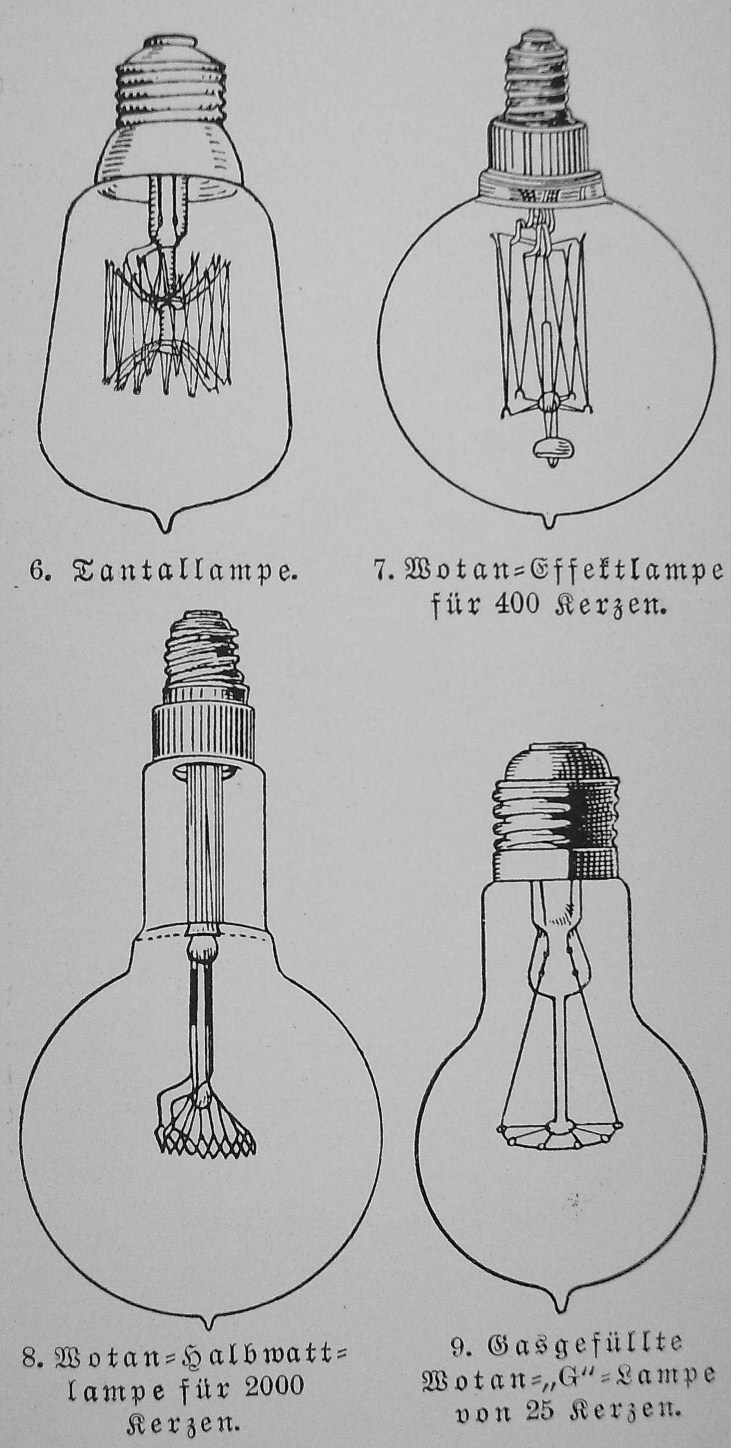
Office machinery from "Meyers Lexicon" vol. II, 1925.


In 1772, he wrote to Voltaire of the Poles as the 'last people in Europe'. Likewise, he expressed dissatisfaction with the Jewish presence in the towns of the frontier provinces, concluding however that they were necessary 'on the Polish border because in these areas the Hebrews alone perform trade. As soon as you get away from the frontier, the Jews become a disadvantage, they form cliques'.
In one case, an applicant applied as an 'Elite Chef' for a fried chicken shop. The main qualifying criterion was the rate of pay. So in this case, his sister, who owned the shop decided to pay him exactly the amount that allowed him to qualify. There was nothing the authorities could do and he was allowed in.So it has fallen to this government to sort out the system - and we are completely changing the way it works so it is truly geared to the needs of our economy.

A mere slip of a book for you today. It's a collection of 'easy' reading material from 1925 which, according to the editors, could be used after just one year of English lessons. All texts are taken from other volumes of reading material and centre around the 'typical' daily life of English children; how they play, what they do at school (especially the sports they play), and the stories they read.


9. A Jolly Cricket Match
1. "I am sure you must be very stiff, Frank, after your hard work yesterday," said Mrs. Langham, when the family met in the breakfast-room on the Saturday morning following a grand cricket match; "yet I am very pleased indeed to see that you have made the effort to be down in good time for breakfast this morning."
2. "Now, Frank, tell us all about the match yesterday," said Bella, when they were all seated at table.
"There's not much to tell," said Frank. "our side won, as you know, and they played very fairly on the other."
"Our side smashed the other fellows all to bits," exclaimed Jack, "and old Frank scored the greatest number of runs on either side; I heard several say he was the best batsman by far on the field."
"You shut up, old fellow," replied his brother; "That's all stuff; there was plenty of good batting on the other side; it was a jolly match altogether."
3. "I do wish I could play in a real match," said Ben.
"You play!" said Frank, "Why such a bit of a chap as you would be mistaken for one of the wickets and get continually bowled down. how would you like that?"
"Never mind, Ben," said his mother, "go on growing, and some day you will be really the 'Big Ben' you are now called in fun, and then you will play with as much spirit as any boy."

I bought a wonderful book at the Schanze Flea-market a a few weeks ago; Learning English: English Life and Thought, by Dr. Karl Eckermann. It’s “Ein kulturkundliches Lesebuch” (a cultural-studies reader) from 1927 and a rather interesting insight into language teaching in Germany between the wars.

It’s written in the traditional children’s book style: quite conversational, very paternal and 100% steadfast in its view of the world, a bit like going on an educational forest walk with a great uncle (in an age when that didn’t suggest anything untoward). It also has that enthusiastic praise of modernity which is so wonderful to look back on 80 years later. Like this passage, in the chapter, “From Berlin to London by Air”:
Our machine rises gently, in spite of a violent west wind. I am not nervous, and I am not sick. We are gliding along with the utmost comfort. Some one says: We are going too slowly,- so I put out my hand to see. The wind bends my fingers back till I fear it will break them. We are really shooting through the air - though we do not notice it.
We are flying against the wind. The pilot has a difficult trip before him. Yet he takes the trouble to write down for me on a card the names of the chief places we pass. I wish I could write as good a hand at my desk as he does in this storm, holding on to his steering wheel. (p.93)

Dr.Eckermann seems to have a genuine love of England, its customs and history. But he also strikes me as one of the inter-war xenophiles who enthusiastically adopted the some of the more negative aspects of their subject’s character (see Houston Stewart Chamberlain). The chapters on Scotland and Ireland are terrible - this is very much a book in praise of England, not Britain. He includes a passage from Andrew Carnegie, entitled “Why Scotchmen succeed”:
Scotch children are reared right: they are fortunate in being born poor. They have as a guide and model their father, and for their nurse, seamstress, cook and saint, their mother. Oh, how I pity the boy who is born the son of a millionaire! (p.63)
Mr. Mackinder himself is of Scotch descent, and I hear him very often speak of the Irish and especially of the Irish peasants with an undertone of contempt. "If the Irish peasant", Mr Mackinder once said to me, "is so poor, it is in most cases his own fault. It is true, he is clever and witty, but he is awfully backward as regards the tilling of the soil, the use of tools [...] He does not send his children to school, under the pretence that they have no decent clothes to put on [...]". Well, at first I thought Mr. Mackinder's words too sharp, but when I saw the first real old Irish village, I found them true. (p.67)
For the sake of completeness, here's the title page and a section from the glossary at the back:


Links